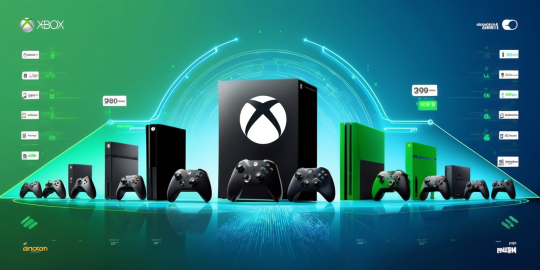
The gaming landscape is ever-evolving, and recent chatter in the industry has sparked renewed discussions about the future of console development and digital marketplaces. Rumors linking retailers to significant shifts in the availability of Xbox consoles have drawn widespread attention and led to heated debates among enthusiasts and industry veterans alike. With whispers of dramatic changes in hardware partnerships, pricing models, and subscription services, many are left questioning the direction that one of the leading brands in interactive entertainment might take. As stakeholders in the gaming community weigh in on these matters, a closer look reveals layers of strategy, market positioning, and communication efforts at play behind the scenes.
Price Adjustments Through a Shifting Economic Landscape
The recent cost increases for Xbox consoles in the United States have stirred an air of uncertainty among the loyal fan base. Amid escalating production expenses and inflationary trends, Microsoft has opted for prudence by raising prices, a move that has consequently shifted market expectations. These adjustments, however, come at a time when the overall demand for cutting-edge hardware remains robust. Observers note that even small price modulations can profoundly alter consumer sentiment, particularly when coupled with parallel shifts in digital subscription costs such as those seen with Game Pass. This scenario paints a picture of a broader economic recalibration, emphasizing that behind every price tag is a complex interplay of market dynamics, supply chain challenges, and evolving buyer expectations.
Retail Partnership Assurance Amid Rumors
In light of recent vaporware circulating through various media channels, a Microsoft spokesperson was quick to reaffirm its strong ties with prominent retailers. Major chains such as Target and Walmart continue to Forge a rewarding and mutually beneficial partnership with Xbox, ensuring that consoles, accessories, and game titles remain widely accessible. The company’s proactive communication strategy addresses concerns head-on, dismissing unfounded assertions about retail partners distancing themselves from Xbox products. This reassurance is vital in a climate where sporadic rumors can undermine consumer confidence. By revealing that any misunderstanding may have been linked to isolated management decisions in unrelated retail segments, Microsoft has taken a deliberate stance against misinformation, striving to cultivate trust and stability among its dedicated audience.
The Digital Marketplace and Inventory Dynamics
In the realm of digital commerce, subtle shifts can often create ripple effects that influence public perception. Speculation arose following observations that a major warehouse retailer appeared to have removed Xbox-related products from its online storefront. Experts suggest that this could have been a strategic maneuver in anticipation of price adjustments rather than an indication of deeper supply chain issues. Digital inventory management is notoriously complex, and the temporary nature of such listings can inadvertently spark rumors about broader market changes. The incident has spotlighted the intricate relationship between physical retail trends and digital behaviors, prompting industry analysts to examine whether these adjustments are indicative of a pivot in marketing strategies or merely an isolated operational adjustment targeted at managing supply during transitional pricing periods.
Evolving Hardware Strategies and Next-Generation Innovations
Rumors have swirled around the notion that Xbox might be shifting its focus away from traditional hardware, especially in light of the involvement of third-party collaborators in tasks such as handheld device production. Notably, the role of companies like Asus in releasing specialized devices has fueled speculation regarding the future design philosophy of Xbox products. Despite these swirling narratives, top executives have taken pains to emphasize that the company remains steadfast in its commitment to developing innovative next-generation hardware. This strategic continuity is central to maintaining "a distinct advantage in a market defined by technological innovation" evolution happens at a breakneck pace. Each development is carefully calibrated to balance legacy systems with state-of-the-art design, ensuring that fans continue to experience high-quality gaming, both in home environments and on the go.
Transparent Communication in Times of Uncertainty
The gaming giant’s approach to handling circulating rumors provides a fascinating case study in crisis communication. Rather than ignoring the swirl of speculation, Microsoft has chosen to address concerns directly through statements that underscore its unwavering partnerships and long-term strategic planning. This transparency is essential, as it reassures both consumers and investors that the company’s path forward is rooted in deliberate, well-considered moves rather than reactionary measures. By publicly clarifying that price increases and product listings are part of an overarching strategy, Microsoft is effectively diffusing a potentially volatile situation. This deliberate outreach not only mitigates the spread of misinformation but also reinforces the company's reputation as A prominent figure in the sector, driven by an unwavering resolve to… customer satisfaction and operational integrity.
Community Reactions and the Sentiment of the Gaming Public
As discussions regarding pricing and hardware strategies gain traction online, the reactions within the Xbox community They have exhibited a striking mix of variety and fervor. Many longtime enthusiasts express concerns over recent changes, citing a perceived departure from the trust once enjoyed between gamers and the company. Voices within forums and social media platforms underscore frustrations that seemingly incremental adjustments, such as increasing subscription costs or modifying access to favorite in-game perks, risk alienating the core fan base. The sentiment is not uniformly negative, however; some view these steps as necessary evolutions within a competitive industry, aiming to fund the future of gaming innovation. The community’s lively debate highlights the delicate balance that tech companies must navigate between fiscal strategy and sustained fan engagement.
Reconfiguring Subscription Models in a Competitive Arena
The backdrop of these hardware discussions is perhaps most vividly illustrated in the evolution of Game Pass and similar digital subscription services. By revising subscription pricing and tiered offerings, Microsoft is not only adjusting its revenue streams but also redefining the value proposition for players. Critiques have emerged around the decision to phase out certain pre-existing perks, such as popular in-game advantages that once set the service apart. At the same time, there is speculation about potential future models that could introduce ad-supported tiers, which may make the service accessible to a broader demographic. This transformation of subscription models reflects an ambitious attempt to meet the multifaceted demands of a global customer base, carefully balancing accessibility with premium experiences while experimenting with alternative monetization channels.
Exploring the Intricacies of Market Competition
In an industry where every strategic shift can carry significant implications, the evolving narrative surrounding Xbox is being keenly observed by market analysts and competitors alike. The adjustments to hardware pricing, alongside the modifications to digital service offerings, have raised questions about how Microsoft intends to maintain its competitive edge against rivals. Every innovation, every statement from within the company, is examined through a prism of competitive analysis where even subtle hints can signal major strategic recalibrations. Industry experts point to a broader trend where companies are increasingly leveraging both hardware innovations and flexible subscription models to secure market share. This competitive dynamic is integral, as the interplay between established retail relationships, digital service evolution, and hardware development continually reshapes the gaming landscape.
Retail Ecosystems and Their Ripple Effects
A closer look at the retail ecosystem underscores the importance of the longstanding relationships that Xbox has cultivated over the years. The reassurance that retailers such as Target and Walmart remain committed partners is not just a defensive measure, but a strategic linchpin that supports the company’s innovation pipeline. These partnerships ensure that consoles and accessories are seamlessly distributed across both physical and digital marketplaces, creating a resilient supply chain that can respond to market fluctuations. It is within this ecosystem that strategic decisions such as timing of price adjustments, as well as coordinated digital marketing efforts, are implemented. In conversations about market disruptions, the robustness of these retail connections provides an anchor of stability, reassuring both consumers and stakeholders of Xbox’s enduring presence in a dynamic marketplace.
Anticipating New Digital Service Models
The evolving scope of digital services remains a key focus of industry speculation, particularly with regard to potential ad-supported models that could complement existing subscription tiers. While current plans on Game Pass have already signaled shifts in value delivery, the prospect of introducing advertising elements into the mix is stirring considerable debate. Proponents argue that such models could democratize access, making the service more affordable to a wider audience and fostering a more inclusive gaming community. Critics, however, are wary of potential disruptions to user experience, suggesting that the balance between revenue generation and customer satisfaction is a delicate one to maintain. As the industry watches closely, the discussion of how digital ecosystems will adapt to evolving consumer expectations has consistently maintained its role as a key narrative element within the broader conversation about technological progress and monetization strategies.